MONK SEAL CONSERVATION IN THE EASTERN MEDITERRANEAN
SPOT PROJECTS Monk Seals
Monk Seal Conservation in the Eastern Mediterranean
Conserving Marine Life in North Cyprus
AIM OF THE PROJECT
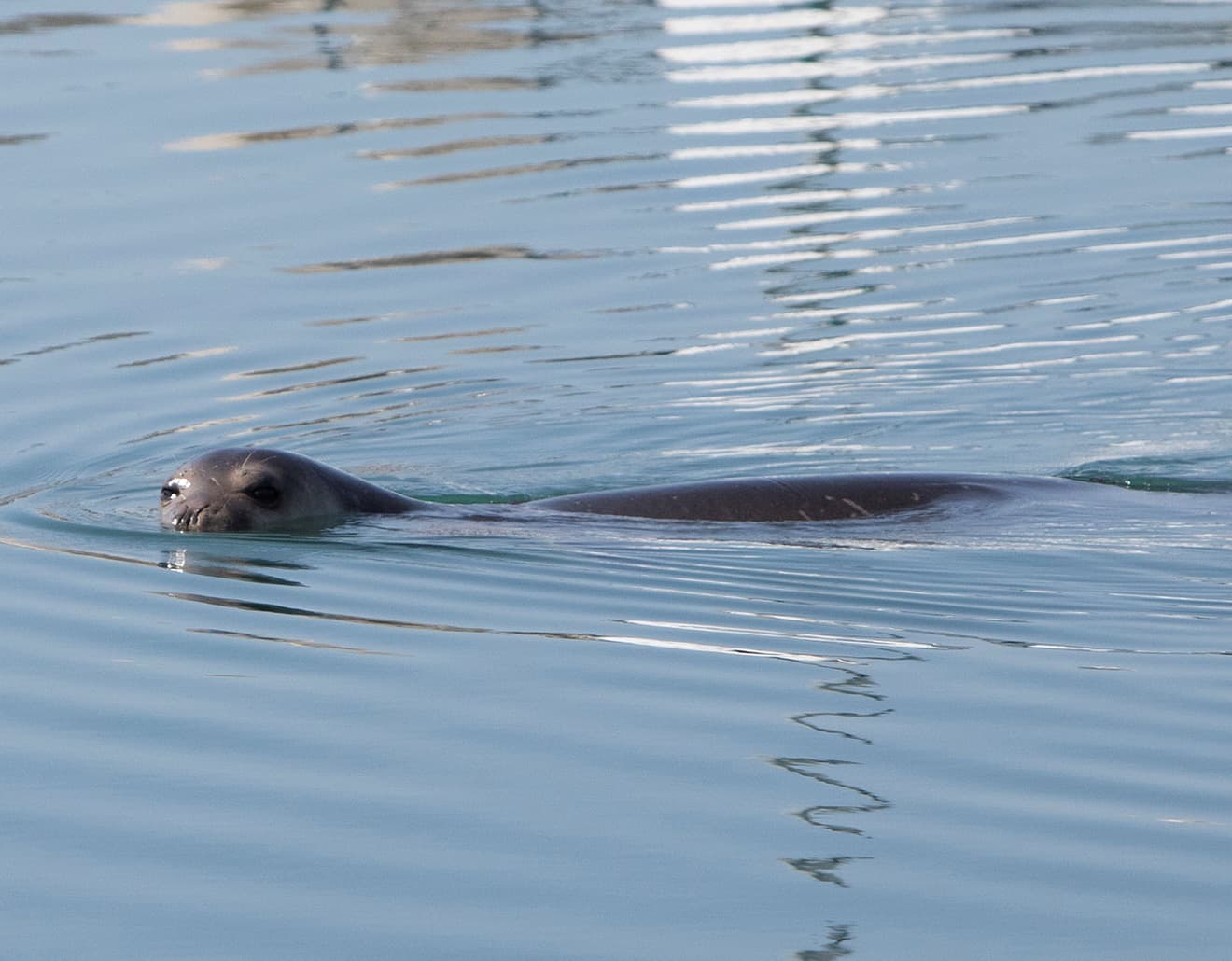
The Mediterranean monk seal is catalogued as endangered by the IUCN Redlist and its estimated population worldwide is of less than 700 animals. Greece, Cyprus and Turkey still maintain breeding populations, with around 350-450 individuals. It is the worlds most threatened seal species.
Coordinated by IUCN Med (opens in a new tab), this project aims to improve the knowledge of the population of the Mediterranean monk seal at the eastern Mediterranean, monitoring their populations, contributing to the identification of critical habitat and creating conservation actions that would mitigate the negative interactions between fishermen and the species. Including bycatch and predation of fishing nets.
THE PROJECT02 / PROJECT SUCCESSES
Project Successes
Through the project in Northern Cyprus, the following actions have been taken:
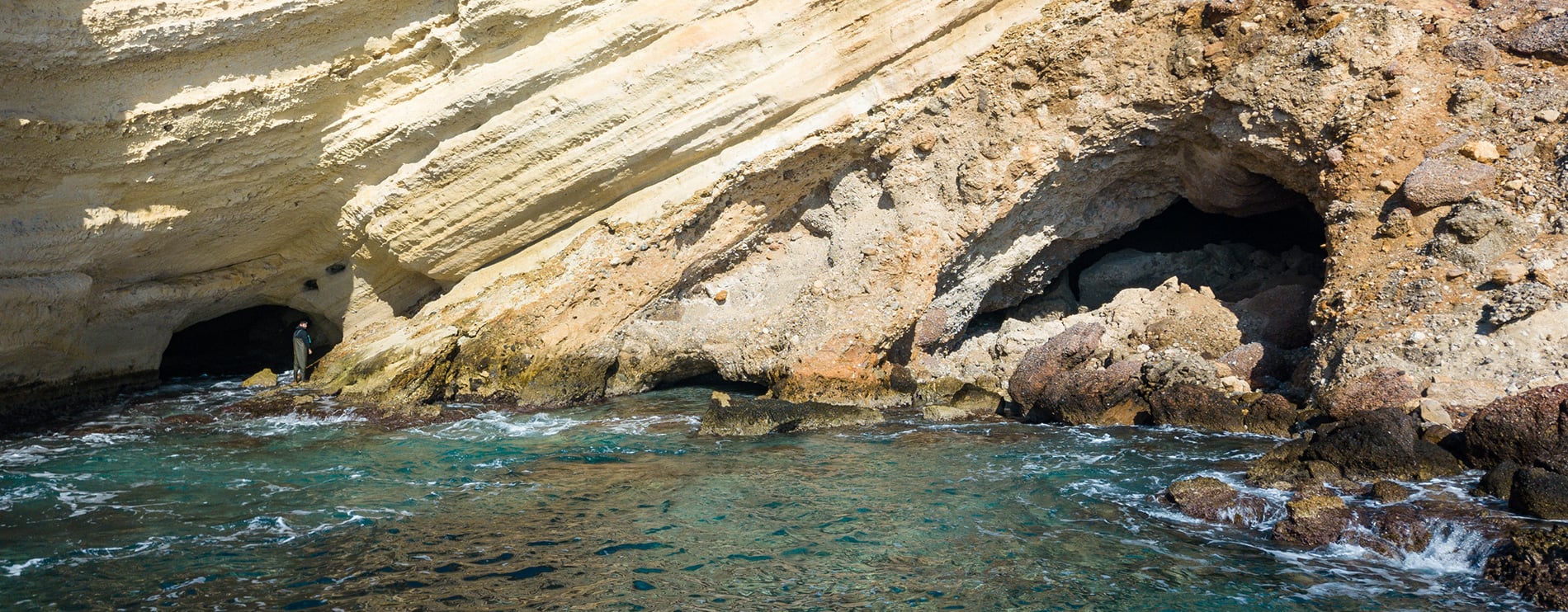
Monk seal breeding and resting site monitoring capacity has been greatly increased, with twelve haul-out sites now being monitored long-term.
An inventory and status assessment of all monk seal potential resting, and breeding areas has been developed to guide conservation management.
Surveys have been undertaken with fishers to understand the magnitude and patterns of bycatch in our small-scale fishery.
Policy has been developed, including advice on fisheries regulations for MPAs around monk seal haul out and breeding sites, some of which has been agreed in draft legislation.
A public consultation meeting was held with stakeholders including representatives from two ministries, fishers, land users and Municipality about a breeding site and plans to develop a harbour close to it. This advocacy resulted in significant mitigation of this threat as the site was relocated to a more distant location.
Much awareness has been raised by the project actions and subsequently SPOT began to receive regular public sighting records and have been able to identify and track some individuals from this citizen science network.
A second phase project is now being supported by Monk Seal Alliance, again, under the coordination of IUCN Med. Here, further monitoring will be supported, as well as actions to improve conditions at specific caves. There will also be a focus on policy, awareness raising and education.
Photo Credit: Olkan Ergüler
WORKING TOGETHER05 / FUNDERS
FUNDERS INCLUDE:
FunderPrince Albert II of Monaco Foundation
FunderMAVA Foundation
FunderFondation Segré
FunderSancta Devota Foundation
FunderThalassa Foundation
WORKING TOGETHER06 / PARTNERS
PARTNERS
PartnerHellenic Society for the Study and Protection of the Monk Seal (MOm)
PartnerHellenic Centre for Marine Research (HCMR)
PartnerWWF Greece
PartnerCBD-Habitat - Monk seal conservation programme
PartnerSAD-AFAG
PartnerMiddle East Technical University (METU)
PartnerSociety for Protection of Turtles (SPOT)
PartnerEnalia Physis Environmental Research Centre